
Young Adults Living
with Chronic Illness
Virtual Support Group
A place to connect with people who
understand what it is like
to navigate chronic illness in young adulthood.
Being a young adult with a chronic illness can feel like you are living a very different life than the people around you.
While friends may be building careers, making plans and moving through milestones, you may be balancing appointments, symptoms, medications and the uncertainty of not knowing how you will feel tomorrow.
Even people who care deeply about you may not fully understand what that experience is like.
This group was created for that reason.
Every group is a little different because the conversations are shaped by the people in the room. What stays the same is the sense of relief that often comes from talking with people who simply understand.
START DATE
Fall 2026
exact date TBA soon!
TIME
Group will be held in
the early evening
GROUP SIZE
This group typically includes
8-12 weekly members
DURATION
8 weeks, closed group
1 week break partway through
FORMAT
Confidential virtual sessions,
therapist-led
COST
$30 per session, pay-as-you-go,
some insurances accepted
Shannon Schureman, LMHC
meet your group facilitator
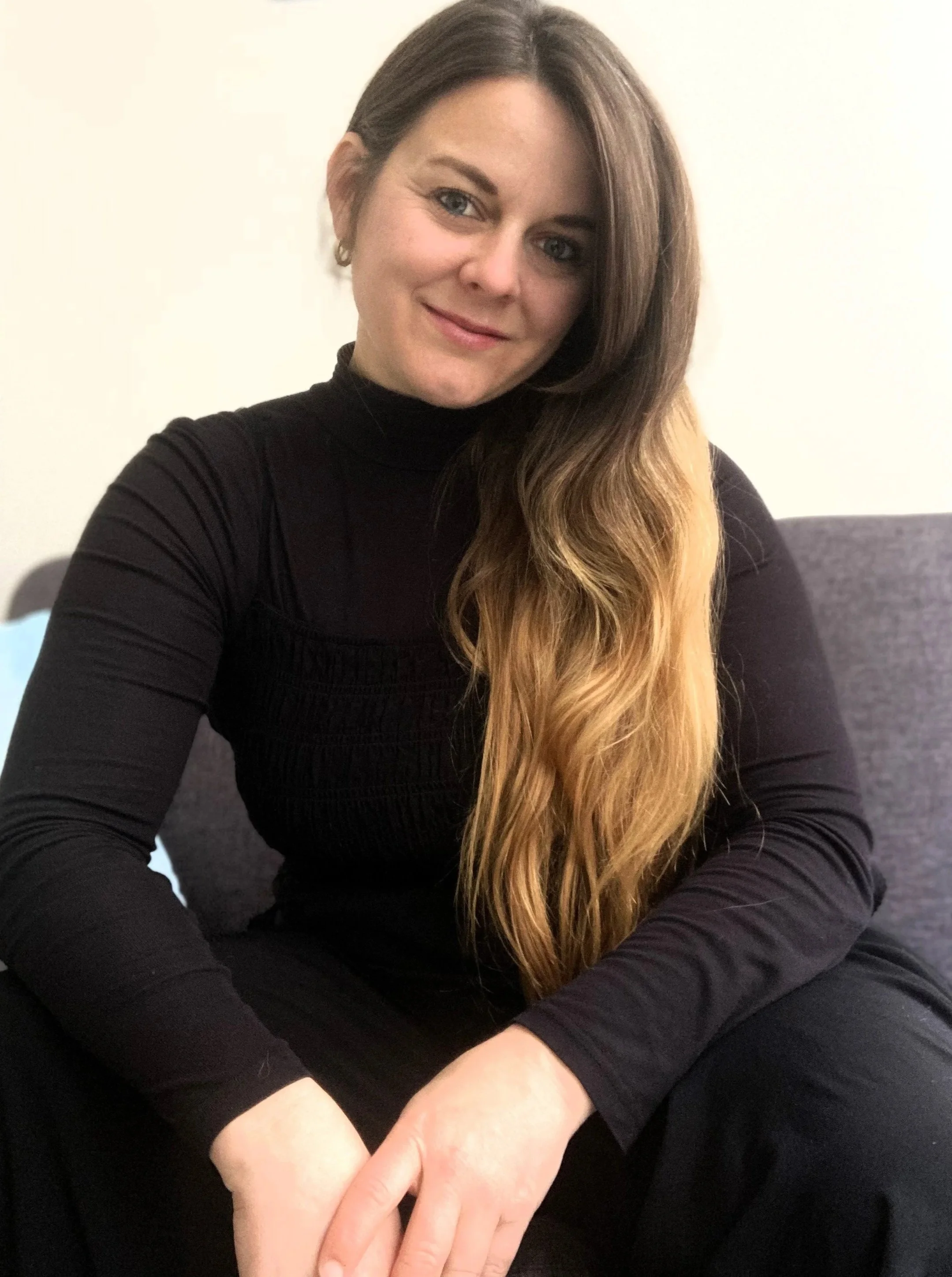
I understand this experience personally. I was diagnosed with chronic illness as a young adult and know how isolating it can feel to navigate changing health, an uncertain future and a life that may look different than you expected.
Over the past several years, I have facilitated this seasonal support group for young adults living with chronic illness. This group grew out of a desire to create the kind of space I wish had existed when I was first learning how to navigate my own health challenges.
As the facilitator, I help guide conversations and introduce themes that often come up when living with chronic illness. My clinical background informs how I facilitate, including approaches such as Acceptance and Commitment Therapy (ACT), Motivational Interviewing and compassion-focused principles. These approaches help support reflection and meaningful conversation, but the group itself is centered around peer connection.
What To Expect
Each group session begins with a brief check-in to help everyone settle in. From there, we move into a discussion topic that reflects the experiences and interests of the group.
Common Topics of Discussion
Identity Changes and Self-Discovery
Processing how illness can shape a person’s sense of self.
◈
Navigating the Medical System
Sharing experiences with accessing care and communicating with providers.
◈
Relationships and Support Systems
Exploring the role of connection and understanding in relationships.
◈
Dating and Intimacy
Discussing how chronic illness affects romantic relationships and closeness.
◈
Ableism and Disability Experiences
Examining the impact of disability-related stigma and misunderstanding.◈
Work and Productivity
Exploring changing relationships with achievement and personal expectations.◈
Body Trust and Body Grief
Processing changes in the relationship with one’s body.
◈Coping and Self-Care
Discussing ways to support oneself while living with chronic illness.◈
Hope and Acceptance
Exploring how to hold space for uncertainty while moving forward.
No one is expected to have the right answers. The value comes from hearing different perspectives and realizing you are not the only person asking these questions.
This is not a group where people need to come prepared with solutions. Many people living with chronic illness already receive plenty of advice they did not ask for. This group focuses on listening, sharing experiences and offering support that comes from feeling understood.
This group is built around respect, curiosity and understanding. Everyone's experience with chronic illness is different. Members are encouraged to share their own experiences while recognizing that what works for one person may not work for another.
Interested in Joining?
I would love to hear from you!!
If you are interested in joining the next group, please complete the brief screening survey using the button below. It only takes a few minutes and no login or sign-up is required.
After I receive your responses, I will reach out to answer any questions and talk with you about whether the group feels like a good fit.
If filling out a form is not your thing, you are welcome to reach out instead. I am happy to schedule a brief phone call.
Group FAQs
-
The group is intended for adults in their 20s and 30s. If you're just outside that range, feel free to reach out. Depending on the group, there may be some flexibility.
-
Most groups include between 7 and 10 members. We cap enrollment at 12 so everyone has an opportunity to participate.
-
This is one of the most common questions I hear.
There isn't a test you have to pass or a certain level of illness you have to reach before you're "allowed" to ask for support.
Some members have lived with chronic illness since childhood. Others are newly diagnosed. Some have visible disabilities while others have conditions that people can't see.
If your health has changed the way you move through the world and you're looking for people who understand, this group may be a good fit.
-
This group is a support group, not a formal therapy group. The focus is on connection, conversation, and learning from one another’s lived experiences. There may be opportunities for reflection or exploring new ways to approach challenges, but the group is not structured around therapy exercises or teaching specific therapeutic skills.
As the facilitator, Shannon helps guide conversations, introduce topics that often arise when living with chronic illness, and create space for members to participate in ways that feel comfortable. Her background as a therapist informs how she holds the group, including drawing from approaches like Motivational Interviewing, Acceptance and Commitment Therapy (ACT), and compassion-focused work. These approaches shape the tone of the group rather than serving as a formal treatment model.
-
Yes. Confidentiality is an important part of creating a space where members feel comfortable being open and honest.
Everyone who joins the group agrees to respect the privacy of others and keep what is shared during sessions confidential. You are never required to share personal information you do not feel comfortable sharing.
Some members choose to stay connected outside of the group, but exchanging contact information is always optional. Any sharing of contact information should be mutually agreed upon and coordinated with the facilitator so everyone feels comfortable and respected.
-
Many people living with chronic illness are used to receiving advice they didn’t ask for. This group is not about fixing problems or finding the “right” solution. It’s a space to share experiences, feel understood, and connect with others who have faced similar challenges.
Members are encouraged to avoid giving advice unless someone asks for it. Often, the most meaningful support is simply being heard. We ask everyone to approach each other with curiosity and compassion.
-
Absolutely. Many people join this group because chronic illness can feel isolating, and they are looking for connection with others who understand.
Building friendships is not the goal of the group, but it often happens naturally. Some members choose to exchange contact information at the end of the eight weeks and stay connected afterward.
Whether you continue relationships outside of the group is completely your choice. There is never any pressure to share your contact information or stay in touch.